

Readability counts
Choose explicit names, linear control flow, and small interfaces. Code is read far more often than it is written.
Make intent visible →Learn the standard, then check your own code against it. Get line-level guidance for readable, typed, testable, production-ready Java—without sending your code anywhere.
import java.util.Comparator;
import java.util.List;

final class UserService {
    List<String> activeNames(List<User> users) {
        return users.stream()
                .filter(User::isActive)
                .map(User::name)
                .sorted(Comparator.naturalOrder())
                .toList();
    }
}Built-in utility
Get an immediate, line-by-line review based on this guide’s core principles. Every finding explains what matters and suggests a concrete next move.
FORMATIndentation · whitespace · line length · statements
INTENTNaming · imports · generics · complexity
SAFETYNulls · exceptions · secrets · shell use
SCOPEFast heuristic review · not a compiler or CI replacement
01Instant style reviewLine-level, private feedback
02Google Style groundedCanonical rules, with context
03Production mindedAPIs, tests, security, CI
04Actionable guidanceEvery finding explains why
The north star
Great Java feels intentional. Readers spend their attention on the problem—not decoding inconsistent names, hidden nulls, overgrown classes, or invisible side effects.
Choose explicit names, linear control flow, and small interfaces. Code is read far more often than it is written.
Make intent visible →Validate at the edges, type public contracts, and keep side effects easy to find. Make invalid states hard to represent.
Design clear contracts →Let formatters, linters, type checkers, and tests settle mechanical questions before review begins.
Build the safety net →Express ideas directly in code.
— Google Java Style, Effective Java, Oracle guidance
Prefer clear APIs over clever plumbing.
Make invalid states hard to represent.
The practical guide
Use these as strong defaults. Every rule has a purpose; when the rule obscures that purpose, use judgment and document the exception.
Format & name
Formatting should be boring, predictable, and automated. Names should carry enough meaning that comments explain why, not what a variable contains.
Follow the project formatter. Google Java Style uses two spaces; many teams choose four. Do not mix tabs and spaces, and let the formatter settle layout debates.
return users.stream()
    .filter(User::isActive)
    .map(User::name)
    .toList();
Keep lines easy to review. This guide flags lines over 100 characters; configure google-java-format, Spotless, or Checkstyle so the choice is automatic.
Use UpperCamelCase for classes, lowerCamelCase for methods and fields, and UPPER_SNAKE_CASE for constants. Avoid vague containers like data, info, and utils.
invoiceTotalvariable
PaymentClientclass
MAX_RETRIESconstant
double calc(List<Item> items, boolean f) {
    double x = 0;
    for (Item item : items) x += item.value();
    return f ? x * 1.2 : x;
}Money invoiceTotal(List<LineItem> lineItems,
TaxMode taxMode) {
Money subtotal = Money.zero();
for (LineItem item : lineItems) {
subtotal = subtotal.plus(item.price());
}
return taxMode == TaxMode.INCLUDE
? subtotal.times(TAX_RATE)
: subtotal;
}Modern Java patterns
Modern Java uses records, streams, sealed types, and pattern matching when they clarify the model. It avoids clever chains when a small method would communicate better.
Return or throw at boundaries so the happy path stays flat and readable.
Use final fields, records, defensive copies, and unmodifiable views for stable state.
Use equals, Objects.equals, or domain predicates for object equality.
Streams are great for transformations; use a loop when branching or side effects dominate.
Receipt dispatch(Order order, Warehouse warehouse) {
    if (order.items().isEmpty()) {
        throw new EmptyOrderException(order.id());
    }

    if (order.status() != OrderStatus.PAID) {
        throw new OrderNotPaidException(order.id());
    }

    List<Item> available = order.items().stream()
            .filter(item -> warehouse.hasStock(item.sku()))
            .toList();
    return warehouse.dispatch(available);
}Types & boundaries
Concrete types, generics, records, annotations, and clear absence handling make APIs searchable and mistakes cheaper. They are most valuable at public boundaries and code that changes often.
Accept the smallest useful interface: List, Collection, Iterable, or a domain-specific command object.
Return a concrete, predictable type. Use Optional sparingly for return values where absence is expected.
Document nullability with annotations or forbid it by policy. Do not make callers guess.
record Priced(Money price) {}
record BasketSummary(int itemCount, Money total) {}

BasketSummary summarize(List<Priced> items) {
    Money total = items.stream()
            .map(Priced::price)
            .reduce(Money.zero(), Money::plus);
    return new BasketSummary(items.size(), total);
}Set a version floor. Declare a supported JDK once in Maven or Gradle, then use the modern syntax that floor supports. Java 21 is a strong current LTS default for new production work.
Methods & data
Keep policy at the center. Push frameworks, I/O, and vendor details to adapters at the edge.
Errors & logging
Errors are part of your API. Catch only what you can handle, preserve context, and make the operational trail useful without leaking sensitive data.
try {
    gateway.charge(card);
} catch (Exception e) {
    System.out.println("Something went wrong");
    return false;
}try {
Receipt receipt = gateway.charge(request);
} catch (GatewayTimeoutException ex) {
logger.warn("Payment timed out for order {}", order.id(), ex);
throw new PaymentUnavailableException(order.id(), ex);
}Name the failure in the language of the caller. Keep exception hierarchies shallow.
Applications own sinks, levels, and formatting. Libraries should preserve causes and avoid noisy global configuration.
Treat tokens, credentials, payment data, and personal information as toxic. Redact at the boundary.
Project structure
acme-service/
├── build.gradle.kts
├── src/
│   ├── main/
│   │   ├── java/com/acme/service/
│   │   │   ├── OrderService.java
│   │   │   └── PricingPolicy.java
│   │   └── resources/
│   └── test/
│       └── java/com/acme/service/
│           └── PricingPolicyTest.java
└── README.mdKeep production and test code separate with Maven or Gradle conventions.
Prefer cohesive packages over a catch-all utils. Mirror domain concepts, not framework jargon.
Keep controllers, services, repositories, and clients easy to locate and review.
Import order
Testing
FastUnit tests run constantly.
FocusedOne behavior, clear failure.
FaithfulIntegration tests cover real boundaries.
IndependentNo order or shared-state surprises.
import static org.assertj.core.api.Assertions.assertThat;

import org.junit.jupiter.api.Test;

class PricingPolicyTest {
    @Test
    void discountedTotalAppliesPercentageDiscounts() {
        assertThat(discountedTotal(Money.of(100), 0.10))
                .isEqualTo(Money.of(90));
    }
}
Coverage is a map, not a target. Use it to find untested risk; a high percentage cannot prove useful assertions.
Reliability
Make failure finite. Network calls need explicit timeouts, retries need backoff and a cap, queues need bounds, and shutdown paths need tests.
The modern toolchain
Use one command locally and the same command in CI. The exact tools can change; the feedback loop should remain fast and dependable.
A pragmatic baseline
Put supported configuration in Gradle or Maven, then check in formatter and static-analysis settings. Start focused; add stricter rules because they catch problems your team actually has—not because a tool offers them.
plugins {
    java
    id("com.diffplug.spotless") version "6.25.0"
    id("net.ltgt.errorprone") version "4.1.0"
}

java {
    toolchain {
        languageVersion = JavaLanguageVersion.of(21)
    }
}

repositories { mavenCentral() }

dependencies {
    testImplementation("org.junit.jupiter:junit-jupiter:5.11.4")
    errorprone("com.google.errorprone:error_prone_core:2.36.0")
}

spotless {
    java { googleJavaFormat() }
}

tasks.test { useJUnitPlatform() }NoteThis is a starting point, not universal law. Match the JDK, formatter, static-analysis checks, dependency policy, and framework versions to the oldest runtime you actually support.
Before you merge
A compact review for the risks automation cannot fully understand. Your progress is saved on this device.
The Java bookshelf
Enduring references and modern practitioner favorites, selected for a useful path from first Java program to maintainable production systems.
Start hereHead First→Core Java
Write better codeEffective→Modern Java
Build for productionConcurrency→Spring
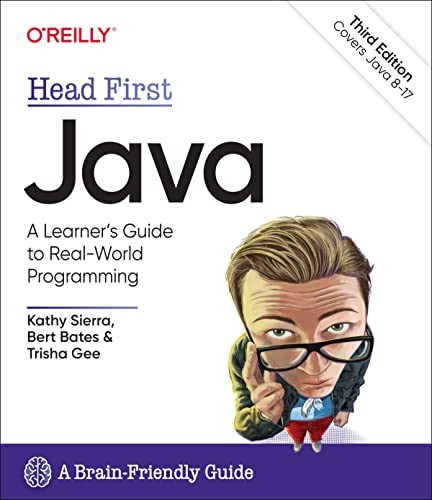
A friendly, visual path through real-world Java programming, updated for Java 8–17.
A detailed, current treatment of the Java language, APIs, generics, collections, lambdas, modules, and concurrency.
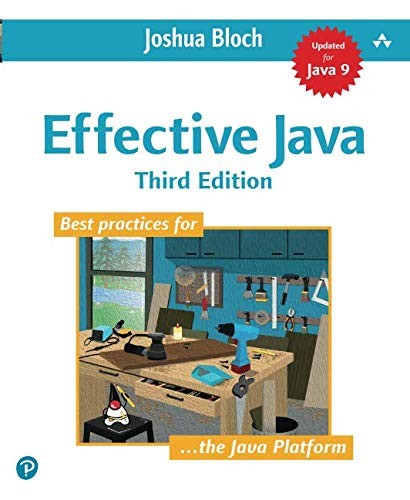
Concise, specific guidance on objects, generics, lambdas, streams, exceptions, concurrency, and serialization.
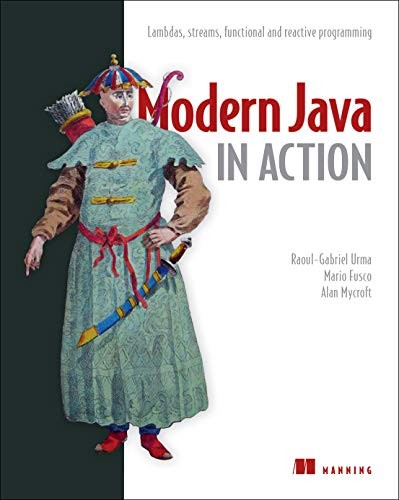
A practical guide to lambdas, streams, functional style, reactive programming, and modern language features.
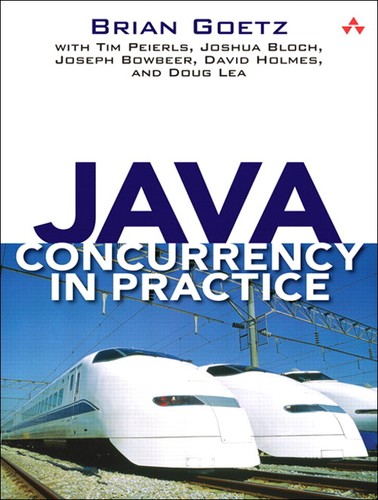
The classic mental model for thread safety, publication, synchronization, liveness, and the Java Memory Model.

A practical route through Spring, Spring Boot, data access, REST services, security, and reactive applications.
Editorial noteSelections are independent and use current English-language editions reviewed July 2026. Labels are editorial recommendations, not live sales rankings. No affiliate links or paid placements.
Primary sources
This guide synthesizes standards and practice. When precision matters, follow the living source.
Java is a registered trademark of Oracle and/or its affiliates. This independent guide is not affiliated with or endorsed by Oracle, Google, Maven, Gradle, or the JUnit team. Last editorial review: July 19, 2026.
Copied to clipboard